Plant Paradise By Gemma
Asplenium Nidus Campio - Crocodile Fern - 14cm | Houseplant
Asplenium Nidus Campio - Crocodile Fern - 14cm | Houseplant
Couldn't load pickup availability
Crocodile Fern (Asplenium nidus ‘Campio’)
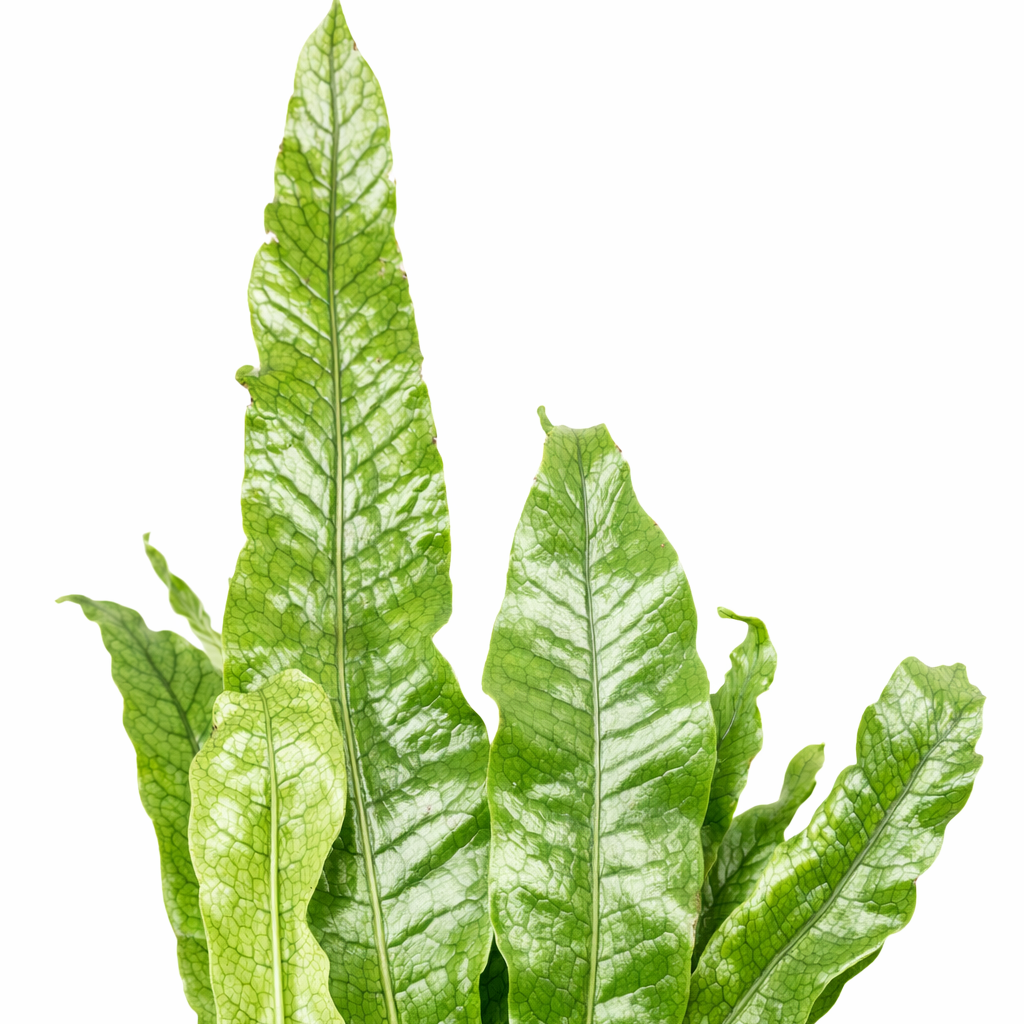
The Crocodile Fern (Asplenium nidus ‘Campio’) is a distinctive and highly decorative houseplant, admired for its bold, glossy fronds with a unique textured surface reminiscent of crocodile skin. This unusual foliage sets the Crocodile Fern apart from more traditional fern varieties, making it a standout choice for plant lovers who want something a little different.
Well suited to UK homes, the Crocodile Fern offers a balance of visual impact and manageable care requirements. Its upright, architectural growth habit makes it an excellent option for shelves, plant stands, and tabletops, where its sculptural foliage can be appreciated up close. Whether you are new to houseplants or expanding an established collection, the Crocodile Fern adds character and depth to indoor spaces.
Botanical Background and Natural Habitat
The Crocodile Fern belongs to the species Asplenium nidus, commonly known as the Bird’s Nest Fern. Native to tropical regions of Southeast Asia and the Pacific, Asplenium nidus grows naturally as an epiphyte, often found attached to trees in warm, humid forest environments.
In its natural habitat, the Crocodile Fern receives filtered light, steady warmth, and consistent moisture. These conditions explain why the Crocodile Fern thrives indoors when given indirect light and a stable environment. Despite its tropical origins, it adapts well to life inside UK homes with the right care.
Why Choose the Crocodile Fern for Your Home?
The Crocodile Fern is chosen for its distinctive appearance and versatility as an indoor plant. Its broad, upright fronds create structure without overwhelming a space, making it suitable for both compact rooms and larger interiors.
Unlike many delicate fern varieties, the Crocodile Fern has thicker, more robust leaves, giving it a sturdier feel and making it easier to care for. This combination of texture and resilience makes the Crocodile Fern a popular choice for those who love the look of ferns but want a more forgiving plant.
Light Requirements for the Crocodile Fern
The Crocodile Fern prefers bright, indirect light, which closely mimics the dappled sunlight of its natural forest environment. In UK homes, it performs well near a bright window where direct sunlight is filtered by curtains or blinds.
Direct sunlight should be avoided, as it can scorch the fronds and damage their distinctive texture. While the Crocodile Fern can tolerate lower light conditions, brighter indirect light supports stronger growth and helps maintain the rich green colour of the foliage.
Watering the Crocodile Fern Correctly
Consistent moisture is key to keeping the Crocodile Fern healthy. The compost should be kept lightly moist, but never waterlogged. Allow the surface of the soil to dry slightly between waterings, then water thoroughly, ensuring excess water can drain away.
It is important to avoid watering directly into the centre of the plant’s rosette, as this can cause rot. Instead, water around the base of the Crocodile Fern, allowing moisture to reach the roots gradually. This careful approach helps maintain long-term plant health.
Humidity and Temperature Preferences
As a tropical plant, the Crocodile Fern benefits from moderate to high humidity. While it can adapt to average household conditions, increased humidity helps keep the fronds lush and prevents browning at the edges.
In UK homes, placing the Crocodile Fern in a kitchen or bathroom with sufficient light can be beneficial. Alternatively, occasional misting or the use of a humidity tray can help support healthy growth. The Crocodile Fern also prefers stable, warm temperatures and should be kept away from cold draughts and radiators.
Soil, Compost, and Feeding
A free-draining yet moisture-retentive compost is ideal for the Crocodile Fern. A high-quality houseplant compost with added bark or perlite helps provide the right balance for healthy root development.
During the growing season, typically spring and summer in the UK, feeding the Crocodile Fern every few weeks with a diluted liquid fertiliser can support steady growth. Feeding should be reduced or paused during autumn and winter when growth naturally slows.
Growth Habit and Mature Size
The Crocodile Fern has an upright, rosette-forming growth habit, with fronds emerging from a central point. Over time, it develops into a full and well-balanced plant, making it an excellent choice for feature displays.
Unlike trailing plants, the Crocodile Fern maintains a tidy form, which makes it easy to position in a variety of settings. Its structured growth habit allows it to act as a focal point without requiring frequent pruning or reshaping.
Textured Foliage and Visual Appeal
The defining feature of the Crocodile Fern is its deeply textured foliage. Each frond has a slightly puckered surface, creating a pattern that resembles reptile skin. This texture adds depth and interest, particularly when light catches the glossy surface of the leaves.
The rich green colour of the Crocodile Fern makes it an excellent companion to other foliage plants, while its unique texture ensures it stands out even when displayed on its own. It is an ideal choice for adding variety to indoor plant displays.
Is the Crocodile Fern Low-Maintenance?
The Crocodile Fern is considered a moderate-care houseplant. While it does require attention to watering and humidity, its needs are straightforward once understood. Compared to more delicate fern varieties, the Crocodile Fern is relatively forgiving and resilient.
For plant owners who enjoy maintaining a consistent care routine, the Crocodile Fern is a rewarding choice. Its robust foliage and steady growth make it suitable for both confident beginners and more experienced houseplant enthusiasts.
Styling and Placement Ideas
The Crocodile Fern works beautifully as a feature plant on shelves, sideboards, and plant stands. Its upright growth habit and textured foliage make it particularly effective when displayed at eye level.
This fern pairs well with natural materials such as wood, stone, and ceramic, enhancing its organic appeal. Whether styled in a minimalist pot or as part of a lush indoor jungle, the Crocodile Fern brings structure and visual interest to any room.
Common Care Issues and Practical Tips
If the fronds of the Crocodile Fern develop brown edges, this is often a sign of low humidity or inconsistent watering. Yellowing fronds may indicate overwatering or poor drainage.
Regular observation and small adjustments help keep the Crocodile Fern looking its best. Maintaining consistent moisture levels and avoiding extreme conditions are key to long-term success.
Why the Crocodile Fern Is a Great Choice for Your Home
The Crocodile Fern (Asplenium nidus ‘Campio’) is an excellent choice for anyone seeking a unique and textural houseplant with strong visual appeal. Its bold fronds, structured growth habit, and adaptability to UK homes make it a reliable and stylish addition to any indoor plant collection.
Whether you are adding variety to an existing display or choosing a standout plant for a specific space, the Crocodile Fern offers lasting impact and character. For those who appreciate foliage with personality and presence, this fern is a confident and rewarding choice.
Provided in a 14cm pot - ceramic pot not included.
This plant is not pet safe.
For full care instructions head over to our Houseplant Care Guides Page and select Asplenium - View full care guide
Share