Plant Paradise By Gemma
Balloon Cactus - Parodia magnificum - 12cm | Houseplant
Balloon Cactus - Parodia magnificum - 12cm | Houseplant
Couldn't load pickup availability
Balloon Cactus (Parodia magnifica)
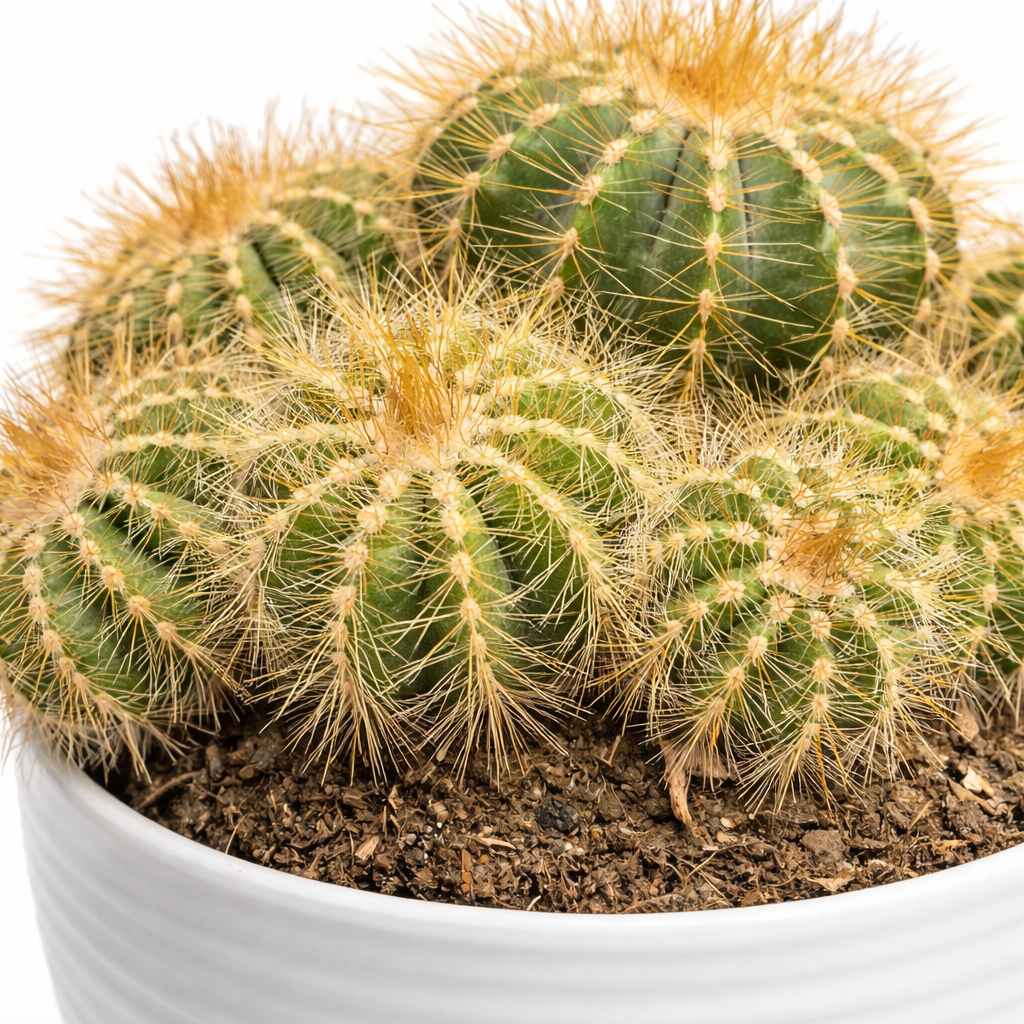
Balloon Cactus (Parodia magnifica) is a striking and architectural cactus known for its rounded shape, soft blue-green colouring, and neat vertical ribbing. With its symmetrical form and fine golden spines, the Balloon Cactus offers a clean, sculptural look that suits modern interiors and minimalist plant displays.
Highly regarded for its manageable size and straightforward care, Balloon Cactus is well suited to both beginners and experienced cactus collectors. Its slow growth and compact habit make it an excellent choice for UK homes, where it can be enjoyed as a long-term indoor feature with minimal maintenance.
Understanding the Balloon Cactus
Balloon Cactus belongs to the genus Parodia and is native to South America, particularly Brazil, where it grows in open, rocky environments with strong light and excellent drainage. Parodia magnifica is valued for its uniform growth and distinctive colour, which often develops a subtle bluish tone in bright light.
The name Balloon Cactus comes from its rounded, inflated appearance. As the plant matures, it may gradually widen and produce offsets at the base, creating a fuller and more established look over time.
Why Choose Balloon Cactus for Your Home?
Balloon Cactus is ideal for those seeking a visually strong yet uncomplicated indoor plant. Its tidy form and muted colour palette make it easy to style, while its low water requirements suit busy lifestyles.
This cactus works particularly well in UK homes where space is limited. Balloon Cactus fits neatly on windowsills, shelves, desks, and side tables, offering structure and interest without overwhelming its surroundings. For customers looking for a reliable and decorative cactus, Balloon Cactus is a confident choice.
Light Requirements for Balloon Cactus
Bright light is essential for Balloon Cactus to maintain its shape and colouring. A sunny windowsill or a bright position near a south- or west-facing window is ideal in most UK homes.
Balloon Cactus can tolerate direct sunlight, especially when acclimatised gradually. In lower light conditions, growth may slow and the plant may lose some of its compact, rounded appearance. Consistent light helps keep Balloon Cactus healthy and well defined.
Watering Balloon Cactus Correctly
Balloon Cactus requires infrequent watering. During the growing season, typically spring and summer, water only when the compost has dried out completely.
Overwatering is the most common issue affecting Balloon Cactus, particularly in cooler UK climates. In autumn and winter, watering should be reduced significantly, with only occasional moisture if the compost becomes fully dry. Allowing excess water to drain away freely is essential.
Soil and Drainage Needs
Excellent drainage is vital for Balloon Cactus. A specialist cactus compost or free-draining succulent mix provides the right balance of structure and aeration.
Pots with drainage holes are strongly recommended. Decorative outer pots may be used, but standing water should always be avoided. Proper drainage plays a key role in keeping Balloon Cactus healthy over the long term.
Temperature and Indoor Conditions
Balloon Cactus thrives in warm, stable indoor temperatures. Typical UK household conditions are usually suitable, provided the plant is protected from cold draughts and sudden temperature changes.
In winter, Balloon Cactus should be kept away from unheated windowsills or conservatories that may experience overnight temperature drops. While it tolerates warmth well, it should not be placed directly next to radiators.
Growth Habit and Mature Appearance
Balloon Cactus has a slow, controlled growth habit, maintaining a rounded and symmetrical shape. Over time, it may produce small offsets at the base, contributing to a fuller appearance without becoming unruly.
This predictable growth makes Balloon Cactus ideal for long-term indoor display. It does not require pruning and retains its sculptural form with minimal intervention.
Is Balloon Cactus Low-Maintenance?
Balloon Cactus is considered a low-maintenance indoor cactus when its basic needs are met. It requires far less attention than most foliage plants and is forgiving of occasional missed watering.
Bright light, minimal watering, and good drainage are usually sufficient to keep Balloon Cactus healthy. This makes it a suitable choice for beginners or anyone looking for an easy-care yet visually appealing plant.
Styling Balloon Cactus in Your Home
Thanks to its clean lines and rounded form, Balloon Cactus works beautifully in modern and minimalist interiors. It pairs well with neutral pots, ceramic planters, and natural materials such as stone or concrete.
This cactus looks particularly effective as a standalone feature, where its symmetry can be fully appreciated. Whether placed on a windowsill, shelf, or desk, Balloon Cactus adds structure without visual clutter.
Common Care Issues and Practical Tips
Softening at the base of Balloon Cactus usually indicates excess moisture. Reducing watering and checking drainage will help prevent further issues.
Pale colouring or slow growth may suggest insufficient light. Moving the plant to a brighter position can help restore its appearance. Monitoring small changes early ensures Balloon Cactus remains in good condition.
Why Balloon Cactus Is a Great Choice for UK Homes
Balloon Cactus (Parodia magnifica) offers a balance of strong visual appeal, compact growth, and straightforward care. Its architectural form and subtle colouring make it a versatile addition to a wide range of interiors.
Whether chosen as a statement plant, part of a cactus collection, or a thoughtful gift, Balloon Cactus delivers long-lasting style with minimal effort. For UK homes seeking a dependable and decorative indoor cactus, this variety is an excellent choice.
Provided in a 12cm pot - ceramic pot not included.
This plant is not pet safe.
For full care instructions head over to our Houseplant Care Guides Page and select Cactus - View full care guide
Share